When you are concerned about lead in your drinking water, the most important thing to remember is that lead cannot be detected by sight, smell, or taste. Because there is no safe level of lead exposure—especially for infants, children, and pregnant individuals—taking proactive, immediate steps is essential if you suspect an issue.
Here is a guide on how to protect your family while you investigate.
1. Immediate Protective Actions
If you are waiting for test results or have reason to believe lead may be present, take these precautions immediately:
- Use Cold Water Only: Never use hot tap water for drinking, cooking, or making baby formula. Lead leaches more easily into heated water. Boiling water does not remove lead; it actually concentrates it because the water evaporates, leaving the lead behind.
- Switch to Filtered or Bottled Water: Use bottled water or water from a filtration system certified to meet NSF/ANSI Standard 53 for lead reduction for all drinking, cooking, and mixing of infant formula.
- Flush Your Pipes: If water has been sitting in your pipes for several hours (like overnight or during the workday), run the cold water tap for 1–5 minutes before using it for drinking or cooking. This flushes out the “stagnant” water that has been in contact with your plumbing pipes.
- Keep Drinking Water on Hand: Fill a pitcher with cold, flushed tap water and store it in your refrigerator for easy access throughout the day.
- Safe Uses for Tap Water: You can safely continue to use your tap water for showering, bathing, washing dishes, and doing laundry. Lead is not absorbed through the skin, and these activities are safe even if lead is present in the plumbing.
2. Get Your Water Tested
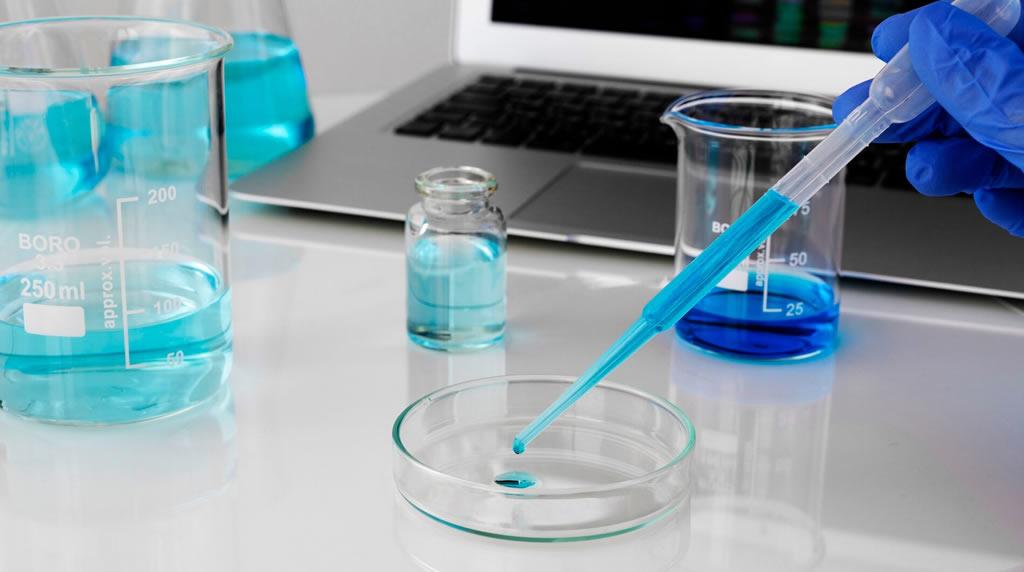
Because you cannot identify lead through your senses, professional testing is the only way to confirm its presence.
- Use a Certified Lab: If you are unsure where to begin, utilize a professional lead testing service to ensure your water is analyzed with precision.
- Follow Sampling Instructions: The way you collect the sample matters. Many health departments recommend a “first-draw” sample—the very first water out of the tap after it has sat for at least six to eight hours. Some testing protocols also include a “flush” sample to help determine if the lead is coming from your home’s internal plumbing or the sources of lead outside.
- Check Your Local Data: If you have questions about the specific testing procedures or need more clarity on how to interpret your findings, visit our FAQ section for detailed guidance.
3. Take Care of Your Child’s Health
If you are worried your child has already been exposed:
- Consult Your Pediatrician: Speak with your child’s healthcare provider about your concerns. They can advise if a blood lead level test is necessary.
- Understand the Risks: It is helpful to stay informed about the health risks associated with lead ingestion so you can better discuss your concerns with medical professionals.
- Blood Testing: Many children are routinely tested for lead during their 1- and 2-year checkups. If your child has had a recent physical, you may already have recent results on file.
4. Long-Term Maintenance
- Check Your Faucets: Regularly remove and clean your faucet aerators (the small screen at the tip of the faucet). Over time, lead particles and sediment can collect there and leach into the water as it passes through.
- Identify Your Pipes: If you live in an older home, try to determine if your service line (the pipe connecting your home to the water main) or your internal plumbing is made of lead. Contact your local water utility; they often have records or programs to help homeowners identify and replace lead service lines.
- Filter Maintenance: If you purchase a lead-reducing water filter, ensure you replace the cartridges according to the manufacturer’s instructions. An old or clogged filter can become ineffective.
Important Note: If you suspect your child has been exposed to high levels of lead, contact your healthcare provider or your local health department immediately. They are the best resources for managing any potential health impacts.
For more information on how to get started or to speak with a professional about your specific water concerns, please feel free to contact us.
To help you get the most accurate information for your specific situation, are you currently living in an older home with known historical plumbing, or are you concerned about recent infrastructure work in your area?