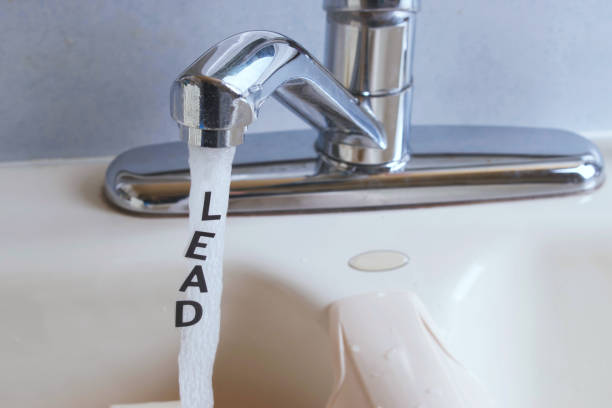
Water testing labs NYC home buyers consult during the due diligence process help uncover what listing photos and standard inspections cannot reveal, examining the property’s plumbing history for older service lines, branch plumbing, solder, valves, fittings, and fixtures that may pose a lead contamination risk before the keys are ever handed over. Behind updated kitchens, renovated bathrooms, and polished listing photos, there may be plumbing conditions that deserve closer attention. This is why lead water testing can be an important part of better due diligence before closing.
Many buyers focus on visible inspection items such as roof condition, HVAC age, foundation concerns, electrical panels, windows, and signs of water damage. Those issues matter, but drinking water also deserves attention, especially in older homes or homes with unclear renovation history. Lead can enter water through plumbing materials and may not create any obvious warning signs. The water can look clear, taste normal, and still require testing if older materials are present.
Why Lead Testing Matters Before Closing
Buying a home is one of the biggest decisions most people make. During the due diligence period, buyers try to learn as much as possible before the transaction is complete. Once closing happens, the buyer becomes responsible for the property’s issues, including plumbing concerns that may not have been obvious during a showing.
Lead water testing matters because lead is usually connected to materials inside or near the property’s plumbing system. Older service lines, lead solder, brass fixtures, fittings, valves, and faucet components can all play a role. Even if the home is connected to a public water system, the water still travels through the property’s own plumbing before reaching the tap.
The U.S. Environmental Protection Agency explains that lead can enter drinking water when plumbing materials containing lead corrode, including pipes, faucets, and fixtures. Buyers can review the EPA’s information on lead in drinking water to understand why plumbing materials matter.
A certified test gives buyers more than a guess. It provides a documented result from a specific sample location under specific collection conditions.
Renovated Homes Can Still Have Older Plumbing
A major reason buyers should consider lead water testing is that renovated homes can be misleading. A listing may show a new kitchen, modern bathrooms, updated flooring, and fresh fixtures. But visible renovations do not always mean the entire plumbing system was replaced.
A kitchen faucet may be new while older branch lines remain behind the wall. A bathroom may have new tile and a modern vanity while older fittings or supply lines still serve the fixture. A home may have partial updates completed by different owners over many years. In these situations, the property can look modern while still carrying older plumbing materials.
The Sources of Lead page explains common places where lead can enter drinking water, including service lines, solder, fixtures, and plumbing components.
For buyers, the lesson is simple: do not rely only on how updated the home looks. If the home is older or the plumbing history is unclear, lead testing can provide a more direct view of what is coming from the tap.
Fixture History Should Be Part of Due Diligence
During a home purchase, buyers often ask about the age of the roof, furnace, air conditioner, water heater, and appliances. They should also think about fixture history. When were the faucets replaced? Were supply lines updated? Were branch lines replaced or only visible fixtures? Was the water heater changed? Was the service line material ever confirmed?
Fixture history matters because lead results can vary from one tap to another. A newer kitchen faucet may show a different result from an older bathroom faucet. A rarely used basement sink may not represent the main drinking-water tap. A refrigerator dispenser may show filtered water, while the kitchen faucet may show unfiltered water.
Professional Lead Testing Services can help buyers choose sample locations that match real future use. For many buyers, the kitchen tap is important because it is where drinking and cooking water will likely come from. If children will live in the home, bathroom sinks used for brushing teeth may also matter.
Lead Is Usually Not Visible
Lead is not like many visible water problems. Brown water, staining, particles, or cloudy water can catch a buyer’s attention during a showing or inspection. Lead may not. Water containing lead can look completely clear. It may not smell unusual or taste metallic.
This makes lead testing especially important during due diligence. A buyer cannot rely on appearance alone. They also should not assume that because no one mentioned lead, there is no concern. Many sellers may not know the full plumbing history themselves, especially if the home has changed owners several times.
The Centers for Disease Control and Prevention explains that lead can enter drinking water through lead pipes, faucets, and fixtures. Its page on lead in drinking water is useful for buyers who want a plain public health explanation.
A certified test helps move the conversation from assumption to evidence.
First-Draw Testing Can Be Useful for Buyers
Lead testing is affected by sample timing. A first-draw sample is typically collected after water has been sitting unused in the plumbing for several hours. This can help show what water may pick up after contact with pipes, solder, valves, fittings, and fixtures during stagnation.
For buyers, first-draw sampling can be useful because it may reflect a real household condition. When someone moves into the home, they may use water first thing in the morning after it has sat overnight. If children will live in the property, that first-use condition can matter even more.
A flushed sample tells a different story. It is collected after the tap has run for a period of time. Comparing first-draw and flushed samples can sometimes help show whether lead appears mainly after stagnation or whether the concern may continue after water runs.
A good testing plan should define the sample type clearly. Without that planning, the result may be harder to interpret.
Testing Helps Buyers Ask Better Questions
Certified lead water testing gives buyers a stronger basis for questions. Instead of asking vaguely whether the water is “okay,” they can ask about plumbing materials, fixture replacement, service line history, branch line updates, and whether additional testing is needed.
If lead is not detected in the tested sample, the buyer may feel more confident about that location and collection condition. If lead is detected, the buyer can ask more focused questions. Is the result from the kitchen tap? Was it first-draw or flushed? Are other fixtures affected? Was copper tested too? Are corrosion indicators available? Is the issue possibly fixture-specific or broader?
The FAQ page can help buyers understand common questions about lead water testing and result interpretation.
A test result does not always answer every plumbing question by itself, but it gives buyers a better place to begin.
Copper and Corrosion Indicators Add Context
Lead results become more useful when reviewed beside copper and corrosion indicators. Copper can show whether water may be interacting with copper plumbing materials. pH, hardness, alkalinity, conductivity, iron, and related indicators can help explain whether water chemistry may encourage metals to enter the water.
For a buyer, this broader context matters. A lead-only result may show whether lead was detected, but it may not explain why. If lead and copper both appear, corrosion-related conditions may deserve attention. If lead appears at one fixture but copper and other indicators are not elevated elsewhere, the concern may be more localized. If multiple fixtures show metals, the issue may be broader.
A smarter due diligence process looks beyond one number. It tries to understand the property’s water behavior.
Lead Testing Can Protect Families With Children
Home buyers with children often have stronger reasons to test before closing. Children may drink water from the kitchen, brush teeth in the bathroom, and consume food prepared with tap water. If the home is older or the plumbing history is unclear, parents may want answers before moving in.
The Health Risks page explains why lead exposure concerns are taken seriously and why families often choose certified testing.
Testing before closing can help parents plan more responsibly. If results show no lead detected in the tested tap, that may provide reassurance. If lead is detected, the family can evaluate additional samples, filter options, fixture review, or plumbing questions before fully settling into the home.
The goal is not to create fear during the buying process. The goal is to avoid surprises after move-in.
Brown Water, Staining, and Visible Clues
Visible water issues can also lead buyers to request lead testing. Brown water, orange staining, metallic taste, blue-green stains, or particles may not automatically mean lead is present, but they can suggest plumbing or water quality conditions worth understanding.
Brown water is often related to iron, rust, or sediment. Blue-green staining may suggest copper. Metallic taste can have several possible causes. These signs may not prove lead, but in an older home, they can be a reason to include lead and copper testing in a broader analysis.
A buyer should not rely only on what they see during one showing. Water conditions may vary depending on use, time of day, recent flushing, vacancy, or plumbing activity. Certified testing gives a clearer record than a quick visual check.
Recently Vacant Homes Need Careful Review
Homes that have been vacant or lightly used before sale can create special water testing questions. Water may have sat in pipes longer than usual. Fixtures may not have been used regularly. Stagnation can affect metals results and may also create other water quality concerns depending on the property.
If a house has been empty, buyers may want a testing plan that reflects realistic use after occupancy. First-draw testing, flushed comparisons, and multiple fixture samples may be useful depending on the concern. A home that looks move-in ready may still need water quality review if the plumbing sat unused.
Lead testing is especially important if the home is older, has uncertain plumbing, or will be occupied by children.
Certified Reports Support Negotiation and Planning
A certified lead water test can help buyers make better decisions before closing. Depending on the result and the contract terms, buyers may use the information to ask further questions, request additional documentation, plan post-closing improvements, evaluate filters, or budget for plumbing review.
The report can also become part of the buyer’s property file. If they test again after moving in or after plumbing work, the earlier report provides a baseline for comparison.
A basic DIY kit may not provide the same level of documentation. A certified report is stronger because it identifies sample details and laboratory results in a clearer format.
The Contact page can be used by buyers or agents who want to discuss a lead testing scope before closing.
Filters Should Not Be the First Assumption
Some buyers respond to lead concerns by planning to install a filter after closing. Filters can be useful, but they should be chosen based on actual results. Not every filter is designed to reduce lead. Some filters improve taste or reduce chlorine but do not address lead. Others are certified for lead reduction.
Testing first helps buyers understand what they are trying to address. If lead is detected, they can look for products certified for lead reduction. If copper, iron, PFAS, bacteria, or other concerns are also present, treatment choices may need to consider more than lead.
NSF provides a searchable database for certified products and systems, which can help buyers review products based on specific contaminant reduction claims.
A filter decision is stronger when it begins with certified test data.
Final Thoughts
Lead water testing should be part of better due diligence before buying a home because buyers inherit the property’s plumbing history along with its finishes. Renovated kitchens, new faucets, and beautiful updates do not always prove that older branch lines, solder, fittings, fixtures, or service connections are gone.
Certified analysis helps buyers ask stronger questions while there is still time to use the answers. It can show whether lead was detected at selected taps and whether the concern may appear fixture-specific or connected to a broader plumbing condition.
Home buyers, families, agents, and property professionals who want clearer information before closing can begin with Lead Water Test or reach out through the Contact page to discuss certified lead water testing designed around the property and its plumbing history.