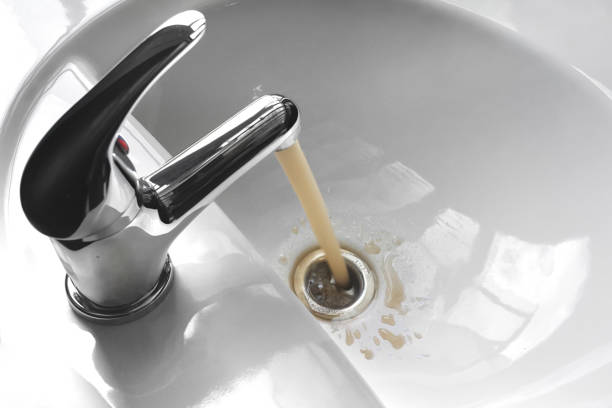
A trusted water testing company NYC understands that lead water testing is most useful when the sample plan reflects how water actually moves through the home or building, because one convenient sink may produce a valid result without telling the full lead story. Lead can appear differently from fixture to fixture depending on plumbing materials, fixture age, branch lines, stagnation time, water chemistry, and where the sample is collected. A kitchen faucet, bathroom sink, basement utility tap, refrigerator dispenser, and guest bathroom may all have different plumbing conditions, where one tap may be newer while another still contains older materials, one branch line may have been replaced while another retains old solder or fittings, and one fixture may be used all day while another sits unused for long periods. Because of these differences, one sample from one faucet should not automatically be treated as a complete picture of the whole property.
One Faucet Only Tells You About That Faucet
A lead water test result is connected to one sample. That sample came from one faucet, at one time, under specific conditions. If the sample came from the kitchen sink, it tells you about the kitchen sink under that collection condition. It does not automatically describe every bathroom, basement tap, laundry sink, refrigerator dispenser, or outdoor fixture.
This matters because lead concerns are often plumbing-specific. Lead may come from older solder, brass fixtures, valves, fittings, service lines, or faucet components. These materials may not be evenly distributed throughout a home. One faucet may have older parts, while another was replaced during renovation. One branch line may include older plumbing, while another may be newer.
The U.S. Environmental Protection Agency explains that lead can enter drinking water when plumbing materials containing lead corrode, including pipes, faucets, and fixtures. Its guidance on lead in drinking water helps show why fixture-level conditions can matter.
This is why one faucet is a starting point, not always the full answer.
Different Fixtures Can Have Different Materials
Fixtures are not all the same. A kitchen faucet may be newer than a bathroom faucet. A basement sink may have older supply lines. A guest bathroom may still have older valves or fittings. A refrigerator dispenser may pass water through a filter before it reaches the glass. Each of these locations can influence the lead result differently.
In older homes, renovations often happen in stages. A homeowner may update the kitchen but leave bathroom plumbing unchanged. A previous owner may replace visible faucets but not hidden branch lines. A home may have modern finishes while older plumbing materials remain behind the walls. Because of this, a new-looking faucet does not prove the entire water path is free of older lead-bearing materials.
The Sources of Lead page explains common places where lead can enter drinking water, including service lines, solder, fixtures, and plumbing components.
If a family tests only the newest faucet in the home, they may miss an older fixture that children still use. If they test only an old utility sink, they may overstate a concern that does not represent the main drinking-water tap. Sample location matters.
Branch Lines Can Change the Result
Homes and buildings often have branch lines that serve different areas. One branch may serve the kitchen. Another may serve upstairs bathrooms. Another may serve the basement, laundry area, or guest bath. In larger buildings, branch lines may serve different units, floors, or tenant spaces.
Lead can vary by branch line because each branch may have different materials, lengths, repairs, and usage patterns. A bathroom branch may contain older solder. A kitchen branch may have newer plumbing. A long line to a rarely used fixture may allow more contact time between water and plumbing materials. A frequently used kitchen tap may have more regular water turnover.
This is why lead testing should be planned around the property layout. If lead appears at one faucet, comparison samples can help determine whether the concern is local to that fixture or present in other parts of the system. Professional Lead Testing Services can help property owners choose locations that better reflect the real plumbing picture.
Stagnation Time Matters
Stagnation means water has been sitting in pipes or fixtures without being used. This can happen overnight, during school or work hours, in guest bathrooms, in vacant units, or in seasonal homes. Stagnation matters because water has more time to interact with plumbing materials.
A first-draw sample is usually collected after water has sat unused for several hours. This can help show what water may pick up from the faucet, fittings, solder, branch line, or nearby plumbing during that period. A flushed sample is collected after water has run for a period of time. It may show a different result because some standing water has been cleared.
One faucet may have long stagnation, while another may be used frequently. That difference can affect lead results. A rarely used bathroom may show a different result from a kitchen tap used all day. A sample collected first thing in the morning may differ from one collected after several people have already used the sink.
The Centers for Disease Control and Prevention explains that lead can enter drinking water through lead pipes, faucets, and fixtures. Its information on lead in drinking water is useful for understanding why water contact with plumbing materials matters.
Children May Use More Than One Faucet
For families, the most important sample locations are the taps children actually use. A child may drink from the kitchen faucet, brush teeth at a bathroom sink, and fill bottles from a refrigerator dispenser. If testing only includes one location, it may not fully reflect the child’s daily water use.
Parents often focus on the kitchen because it is used for drinking and cooking. That is usually a logical place to start. But bathroom faucets can matter too if children use them for brushing teeth. Filtered dispensers may also matter if they are the main drinking-water source. In some homes, cooking water comes from the sink while drinking water comes from a filter. Those are different exposure points.
The Health Risks page explains why families take lead exposure concerns seriously and why testing should be based on real household routines.
A better sample plan asks where water is actually used, not simply which faucet is easiest to reach.
One Low Result Can Create False Reassurance
Testing one faucet can sometimes create false reassurance. If the selected faucet shows no lead detected, a homeowner may assume the whole home is clear. But another fixture may have older materials, longer stagnation, or a different branch line. The first result may be accurate for that faucet, but incomplete for the property.
This is especially important in older homes, rental units, and buildings with mixed plumbing history. A renovated kitchen may test well while an older bathroom still deserves attention. A main floor tap may show one result while an upstairs fixture shows another. A filtered sample may not represent unfiltered water.
False reassurance can lead families to stop asking useful questions too soon. Better sample planning reduces that risk by focusing on the taps that matter most and considering whether comparison samples are needed.
One High Result Can Also Be Misleading
The opposite problem can also happen. A single elevated lead result from one faucet may cause a homeowner to assume the entire property has the same issue. That may not be true. The concern may be tied to one fixture, one aerator, one supply line, or one branch.
A high result should be taken seriously, but it should also be interpreted carefully. Additional samples may help determine whether the issue is isolated or broader. If lead appears only at one tap, the next step may be different than if several locations show similar results.
This is why certified testing should not end with a number alone. The result needs context: location, sample timing, fixture history, plumbing age, and related indicators such as copper or corrosion chemistry.
The FAQ page can help homeowners and property managers understand common lead testing questions and why interpretation matters.
Copper and Corrosion Indicators Can Add Context
Lead can be better understood when reviewed beside copper and corrosion indicators. Copper may come from copper pipes and fittings when water chemistry interacts with plumbing. Corrosion indicators such as pH, hardness, alkalinity, conductivity, and related measurements can help explain whether water conditions may encourage metals to enter the water.
If lead and copper both appear, the concern may point toward broader corrosion-related plumbing behavior. If lead appears at one fixture but copper and other indicators are not elevated elsewhere, the issue may be more localized. If iron or discoloration is also present, the broader plumbing condition may deserve closer review.
A basic one-faucet lead test may not provide this broader context. Certified analysis with a better scope can make the result more useful for decisions.
Larger Buildings Need More Careful Planning
In apartments, schools, offices, and commercial buildings, one faucet is even less likely to tell the whole lead story. Different units, floors, risers, branches, and fixtures may have different plumbing materials and usage patterns. A break room sink may not represent a restroom. One apartment may not represent another. A lobby tap may not represent upper-floor fixtures.
Property managers should think carefully about sample locations. Important points may include drinking-water taps, complaint locations, older fixtures, low-use areas, and representative fixtures from different parts of the building. Better planning helps determine whether a lead concern is fixture-specific, branch-specific, unit-specific, or broader.
The Locations page can help property owners understand service availability for homes and buildings that need lead water testing.
Filters Can Complicate the Sample Plan
Filters can change what a sample represents. A refrigerator dispenser, pitcher, faucet-mounted filter, under-sink system, or reverse osmosis unit may reduce certain contaminants depending on its design and certification. If a family tests filtered water, the result may describe what they are drinking after treatment. But it may not show what is present before filtration.
Sometimes both filtered and unfiltered samples are useful. If the question is whether the filter is helping, comparison testing may make sense. If the question is whether the property’s plumbing contributes lead before treatment, unfiltered water may be important.
NSF provides a searchable database for certified products and systems, which can help families review products certified for lead reduction. Testing first makes filter decisions more targeted.
Better Sample Planning Creates Better Decisions
Better sample planning makes lead testing more useful because it connects the results to real decisions. A homeowner may need to know whether children’s daily-use taps are affected. A buyer may need information before closing. A landlord may need to respond to a tenant concern. A property manager may need to understand whether one fixture or several areas require attention.
A strong plan considers the main drinking-water tap, child-use faucets, older fixtures, renovation history, stagnation timing, filtered and unfiltered water, and whether additional samples may be needed. The goal is not to test every faucet without reason. The goal is to test the right locations for the right question.
Final Thoughts
One faucet rarely tells the whole lead story because lead can vary by fixture, branch line, plumbing material, stagnation pattern, and sample timing. A convenient sink may produce a technically valid result, but that result may not fully answer what a family, buyer, landlord, or property owner actually needs to know.
Better sample planning makes certified lead testing more useful and less misleading. It helps determine whether the concern appears tied to one tap, one fixture, one branch line, a filter, or a broader plumbing condition.
Homeowners, families, renters, buyers, and property managers who want clearer answers can begin with Lead Water Test or reach out through the Contact page to discuss certified testing designed around the property’s fixtures and daily water use.